How to Run an Inclusive Tech Event: A Practical Checklist
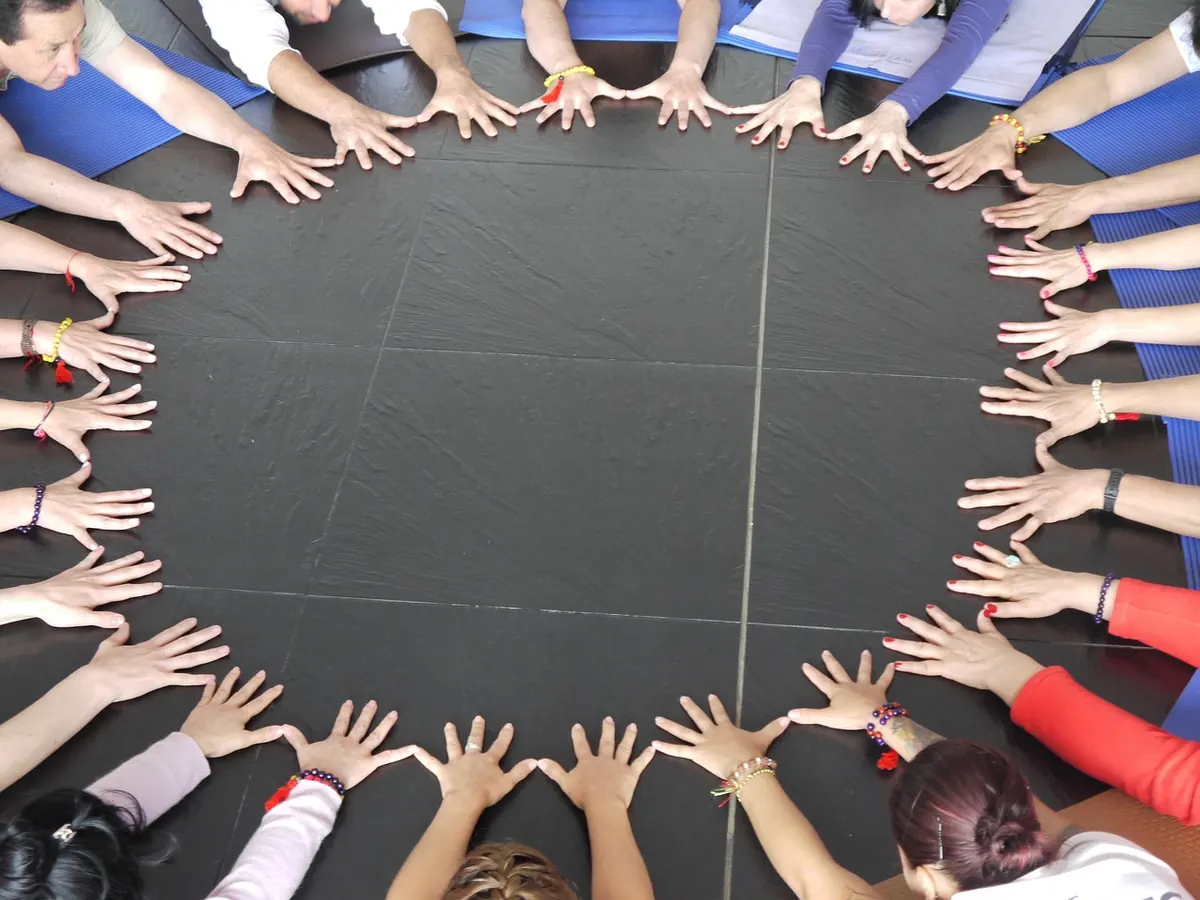
Every tech event is really a stack of small decisions made weeks in advance: which room you book, what you ask on the sign-up form, what gets served at lunch, who stands on the stage. Get those right and nobody mentions them. Get them wrong and a chunk of your audience quietly decides not to come back. What follows is a checklist to work through before tickets go live, rather than in the week the doors open.
Start with the venue, not the speaker list
A brilliant line-up in an inaccessible room is still an inaccessible event. Ring the venue and ask about step-free access from the street, not just inside the building. Check the width of doorways, whether the accessible toilet is unlocked and not quietly being used for storage, and whether the lift has a history of breaking down. If there are steps anywhere on the route, say so on the event page so people can plan around it.
Then think about what people need in order to concentrate for three hours. A short list worth confirming with any venue:
- Step-free access, described in words, with a photo of the main entrance.
- A quiet room with a closing door, available all day and not doubling as the organiser's office.
- Gender-neutral toilets, clearly signed.
- Seating with back support, plus space for wheelchairs and mobility aids near the aisle.
- Captions on recorded talks, and a hearing loop if the venue has one.
- Good ventilation and a temperature you can actually adjust.
Publish all of this on the event page. Making someone email you to find out whether they can get into the building is the first exclusion of the day.
Ask about access needs early, and write the answers down
Put a free-text field on the booking form: "Is there anything we can do to make this event work better for you?" Add tickboxes for the common things (step-free seating, a quiet space, large-print handouts, a companion ticket, subtitles on streamed sessions) so people do not have to write an essay to get a chair moved.
- Collect answers in one shared document, not across three inboxes.
- Assign one named person to own the list and confirm arrangements with each attendee before the day.
- Brief the venue and any volunteers on what has been agreed.
- Check again on arrival, briefly and discreetly, rather than announcing it in the room.
Nobody should have to explain their needs twice, and nobody should have to do it from a stage.
A code of conduct people can actually use
Most events have a code of conduct. Far fewer have one that anyone could act on. Keep the public version short and plain: what behaviour is expected, what will not be tolerated, and how to report a problem. Then make the reporting route real. A generic email address that nobody checks is worse than nothing, because it teaches people that raising an issue goes nowhere.
On the day, the host should mention it out loud in under a minute, name the person to speak to, and point out the quiet room. Safer spaces also mean not making networking compulsory: offer a seated option, an alcohol-free alternative to the pub, and an end time that people can plan a journey home around.
Food, drink and the details that decide whether someone stays
Catering is where good intentions most often fall apart. Ask about dietary requirements at booking and again a week before, then label everything at the table: vegan, vegetarian, halal, kosher, gluten-free, contains nuts, contains dairy. Separate serving utensils matter as much as the labels.
- Offer more than one vegan and one gluten-free option, and make them look like food rather than an afterthought.
- Provide water and a caffeine-free drink, not just coffee and beer.
- Serve food at times that suit the programme, and say in advance what will be provided so people can bring their own if they need to.
- Keep the buffet covered and list ingredients, including in sauces and dressings.
If you are catering for people with serious allergies, work with the caterer and take proper advice rather than guessing, and encourage attendees with medical needs to speak to their own clinician about what is safe for them.
Names, pronouns and introductions
Add an optional pronoun field to badges and lanyards, and leave blank space so people can write their own if the printed version is wrong. Give the same option for a preferred name. The person introducing each speaker should use the name and pronouns on the badge, and should get the pronunciation right; ask beforehand rather than guessing on stage.
Do not force anyone into a round-the-room introduction. Some people are there to listen. If you want people to meet, offer a low-pressure alternative such as a topic table, a sticker that signals "happy to chat", or an optional first-timers' meet-up in the quiet room.
Marketing that does not narrow your audience
The words on your listing do as much filtering as the venue does. If the copy is dense with acronyms and assumes everyone already works in the field, beginners will assume the event is not for them.
- Write alt text for every image, and caption any video.
- State the access information in the listing itself, including transport links and parking.
- Explain who the event suits, and say plainly that newcomers are welcome.
- Offer a lower-priced or community ticket where you can, and mention it without making it feel like a favour.
- Consider timing around school runs and caring responsibilities, and say whether children are welcome.
- Share the listing with community groups and courses beyond your usual mailing list.
After the event: ask, then change one thing
Send a two-question survey within a couple of days: what worked, and what would have made the event easier to attend. Read it, then pick one thing to change for next time and say publicly that you are changing it. Keep a running document of access notes, dietary requirements and venue quirks so you are not starting from scratch again. Inclusion is mostly administration done in advance, repeated patiently. Get that right and the event gets better for everyone in the room, including the people who never tell you they were struggling.
Photo: Anlevy / Pixabay